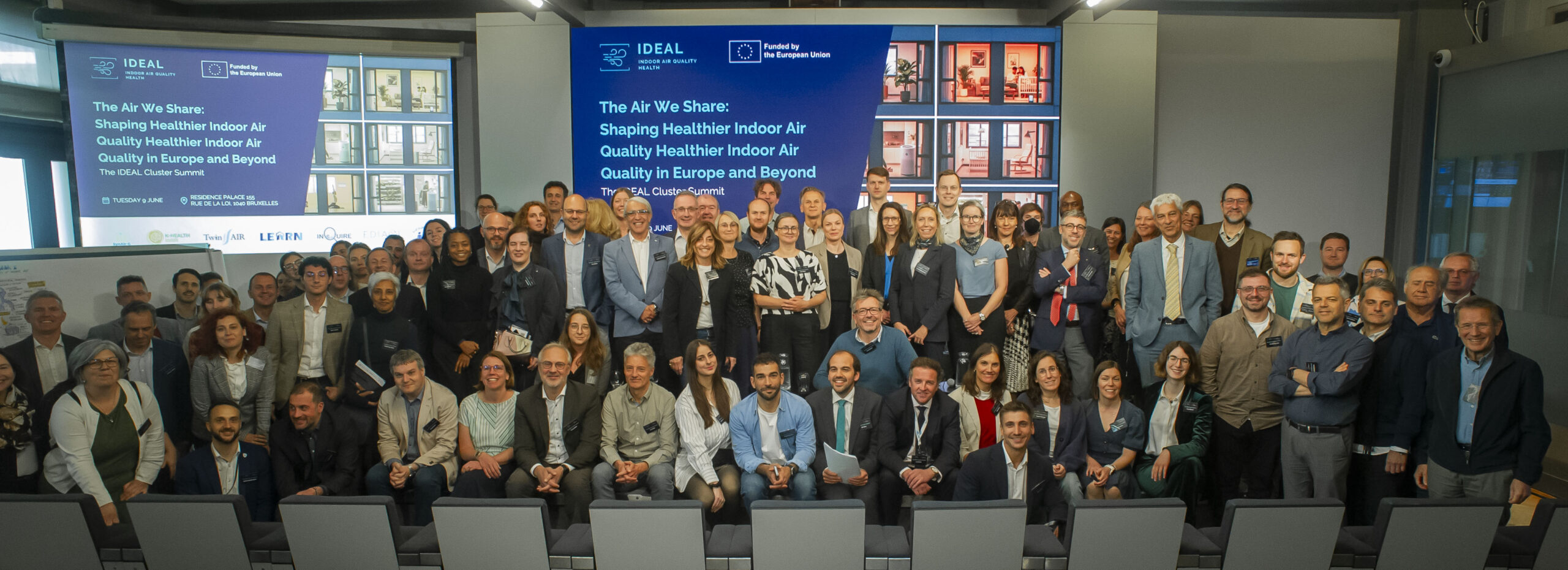
SynAir-G at the IDEAL Cluster final event “The Air We Share: Shaping Healthier Indoor Air Quality in Europe and Beyond”

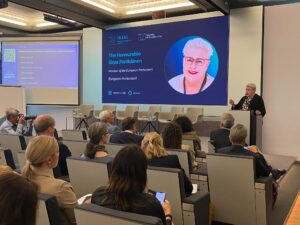
On 9 June, SynAir-G joined the six fellow Horizon Europe projects at the IDEAL Cluster Final Event, The Air We Share: Shaping Healthier Indoor Air Quality in Europe and Beyond, held at the Residence Palace in Brussels. The event celebrated four years of collaboration within the IDEAL Cluster, bringing together all 7 research projects working to improve indoor air quality (IAQ) and supporting policy development to ensure that air quality and the indoor environment receive the attention they deserve.

The event welcomed policymakers, researchers, industry representatives, public authorities, and civil society organisations from across Europe to discuss the growing importance of indoor air quality for public health and well-being. Throughout the day, the seven Horizon Europe projects presented their latest scientific findings, demonstrating how each project contributes a vital piece of the puzzle towards healthier indoor environments.

Together, the projects have generated an extensive body of scientific evidence, innovative technologies, datasets, monitoring tools, intervention strategies, policy briefs, educational and awareness-raising materials. With this robust evidence base and practical solutions now available, the event highlighted that the momentum is there to turn research into concrete, lasting action for healthier indoor environments across Europe and beyond.

SynAir-G project insights

During the first panel, Professor Nikos Papadopoulos, Professor of Allergy and Paediatric Allergy at the University of Athens and SynAir-G Project Coordinator, presented the project’s key achievements and latest scientific insights.
Over the past four years, SynAir-G has significantly advanced the understanding of indoor air pollution and its effects on children’s respiratory health. Through the innovative TEQOYA sensor technologies and the Save the World gamified application, the project has developed new approaches for collecting environmental and health data from school environments and participating children.

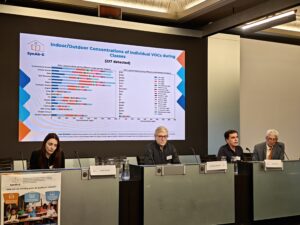
With the project’s aim of understanding the interactions and synergies between different indoor air pollutants, continuous monitoring in 25 classrooms in 5 countries has revealed the remarkable complexity of indoor air pollution mixtures. SynAir-G has shown that indoor air composition differs considerably between countries, schools, classrooms, and even according to classroom activities and teaching subjects. These findings reinforce the need to better understand the combined effects of multiple indoor pollutants on children’s health.

The project has also developed and tested sustainable interventions, including the SynAir-G Green Wall, which is nature-based solution consisting of a living plant wall, designed to improve indoor air quality by acting as sustainable biological filtration systems, with children in classrooms happily engaging in their care.

Improving Indoor Air Quality in Europe – A Political Imperative

SynAir-G also played a leading role in the policy discussions.

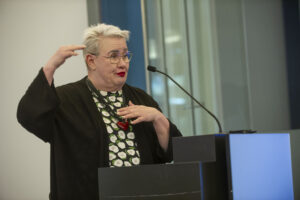
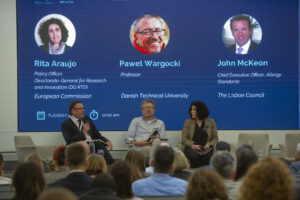
Panagiotis-Minos Chaslaridis, Senior Policy Advisor at the European Federation of Allergy and Airways Diseases Patients’ Associations (EFA) and SynAir-G partner, moderated the high-level panel “Improving Indoor Air Quality in Europe: A Political Imperative.”
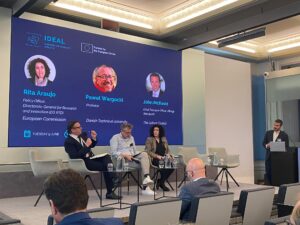
The discussion brought together distinguished speakers from European institutions, academia and industry, including:

  • Sirpa Pietikäinen, Member of the European Parliament
  • Joachim D’Eugenio, Adviser for Zero Pollution, Directorate-General for Environment (DG ENV)
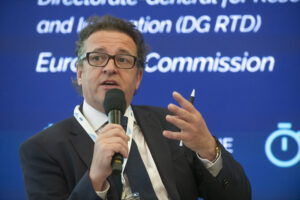
  • Rita Araujo, Policy Officer, Directorate-General for Research and Innovation (DG RTD)
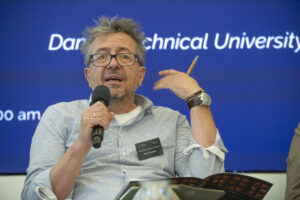
  • Pawel Wargocki, Professor at the Technical University of Denmark
  • Dr John McKeon, Chief Executive Officer, Allergy Standards

The discussion delivered a clear message: improving indoor air quality requires a comprehensive and coordinated policy approach.
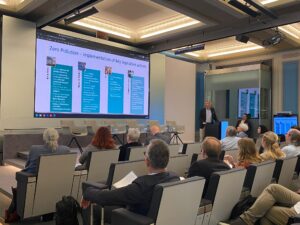
 

While existing European legislation, such as the Energy Performance of Buildings Directive and other sector-specific policies, already addresses certain aspects of indoor air quality, the panel discussion showed that Europe still needs a coherent regulatory framework that fully reflects the complexity of indoor environments.

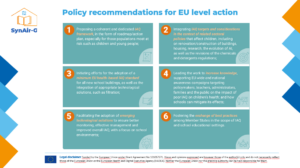
This conclusion aligns closely with the recommendations developed in the two IDEAL Cluster Joint Policy Briefs, led by SynAir-G under Working Group 1.

Panellists also emphasised that the scientific evidence generated by the IDEAL Cluster provides a strong foundation for future policymaking. However, scientific publications alone are not enough. Continued collaboration, integrated datasets, consistent policy messages, stakeholder engagement, and a shared roadmap are essential to translate research into meaningful societal impact.

 

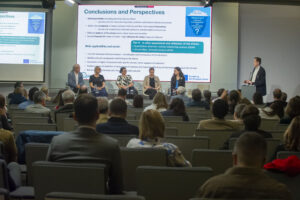
Toxicological, NAMs and Health-related Aspects of Indoor Air Quality

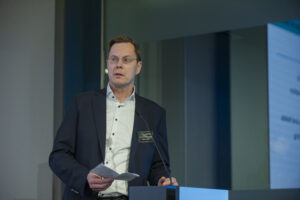
The scientific session on “Toxicological, NAMs and Health-related Aspects of Indoor Air Quality” was moderated by Tuomas Jartti, Pediatric Allergist at the University of Turku (Finland), one of the key pilot countries in the SynAir-G classroom studies.

The session brought together professors from five universities participating in Cluster projects, fostering interdisciplinary exchange on emerging approaches to indoor air quality research in the field of toxicology and health.
 

Transforming Science into Societal Gains

One of the afternoon sessions focused on translating scientific knowledge into real-world impact, featuring valuable contributions from SynAir-G partners Christian Goroncy and Kristina Siemens.

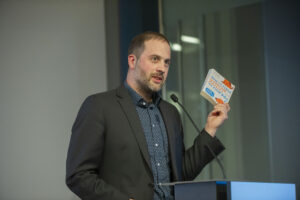
Christian Goroncy, Team Manager at the German Institute for Standardisation (DIN), highlighted the importance of standardisation as a pathway for translating research into practical implementation. Standards enable innovation to be adopted consistently, ensure reproducibility, and reduce unnecessary duplication of effort and resources.
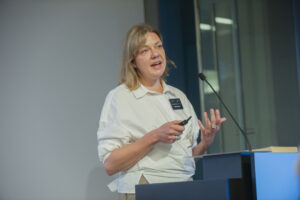
 

Kristina Siemens, Pediatrician and Research Associate at GA²LEN, presented the guideline development activities taking place across the IDEAL Cluster. She introduced the SynAir-G guidelines currently in preparation, which aim to support healthcare professionals in advising schools, teachers and parents on improving indoor environments for children.

She also presented the IDEAL Cluster’s broader Indoor Air Management Guidelines, developed under Working Group 4, which provide overarching recommendations with a focus on vulnerable subpopulations. They cover key indoor exposures such as chemicals, microorganisms, particles, bioaerosols and aeroallergens, and include holistic recommendations on construction, cleaning, support devices and supervision, as well as simple mitigation measures like regularly ventilating indoor spaces by opening windows, offering an overarching guidance that complements more specialised outputs from individual projects. An updated version of these guidelines is currently being finalized for publication.

The session reinforced that successful translation of research into practice requires continuous collaboration between researchers, policymakers, healthcare professionals, industry, educators, patients and other stakeholders.

IDEAL Cluster Marketplace

During the coffee and lunch breaks, the IDEAL Cluster Marketplace provided participants with the opportunity to explore the tools, technologies, datasets, educational materials, and policy recommendations developed across the projects, complemented by short pitches from a representative of each project.

Representing SynAir-G, Maria Kritikou, Health Visitor, Research Associate, PhD at NKUA, gave a concise overview of the Safe The World app during her pitch. Designed to collect health and indoor air quality data through a gamified approach, the app is particularly engaging and valuable for children.

Looking ahead

Although the IDEAL Cluster is approaching its conclusion, its impact is only beginning.

The IDEAL Cluster Roadmap will bring together the major outcomes of the Cluster’s working groups, identify the challenges and policy opportunities, and generate recommendations to support healthier indoor air quality across Europe. Designed as a practical and accessible document, it will support policymakers, researchers, industry and civil society in turning scientific evidence into real-world action.

SynAir-G will continue its work by completing its extensive data collection activities and move forward with the analysis and integration of the project’s rich datasets collected across multiple countries, study populations and methodologies. At the same time, SynAir-G will continue leading the development of the final IDEAL Cluster Joint Policy Brief while disseminating new scientific findings and practical recommendations.

As the project enters its final and most impactful phase, it remains committed to ensuring that its research translates into healthier indoor environments for children and communities across Europe.

Stay connected!  Follow Synair-G on Twitter and LinkedIn, and subscribe to the SynAir-G Newsletter to receive latest updates.
Smart Synergies for Action: SynAir-G connects data, patients and policy on indoor air quality in schools in its third workshop

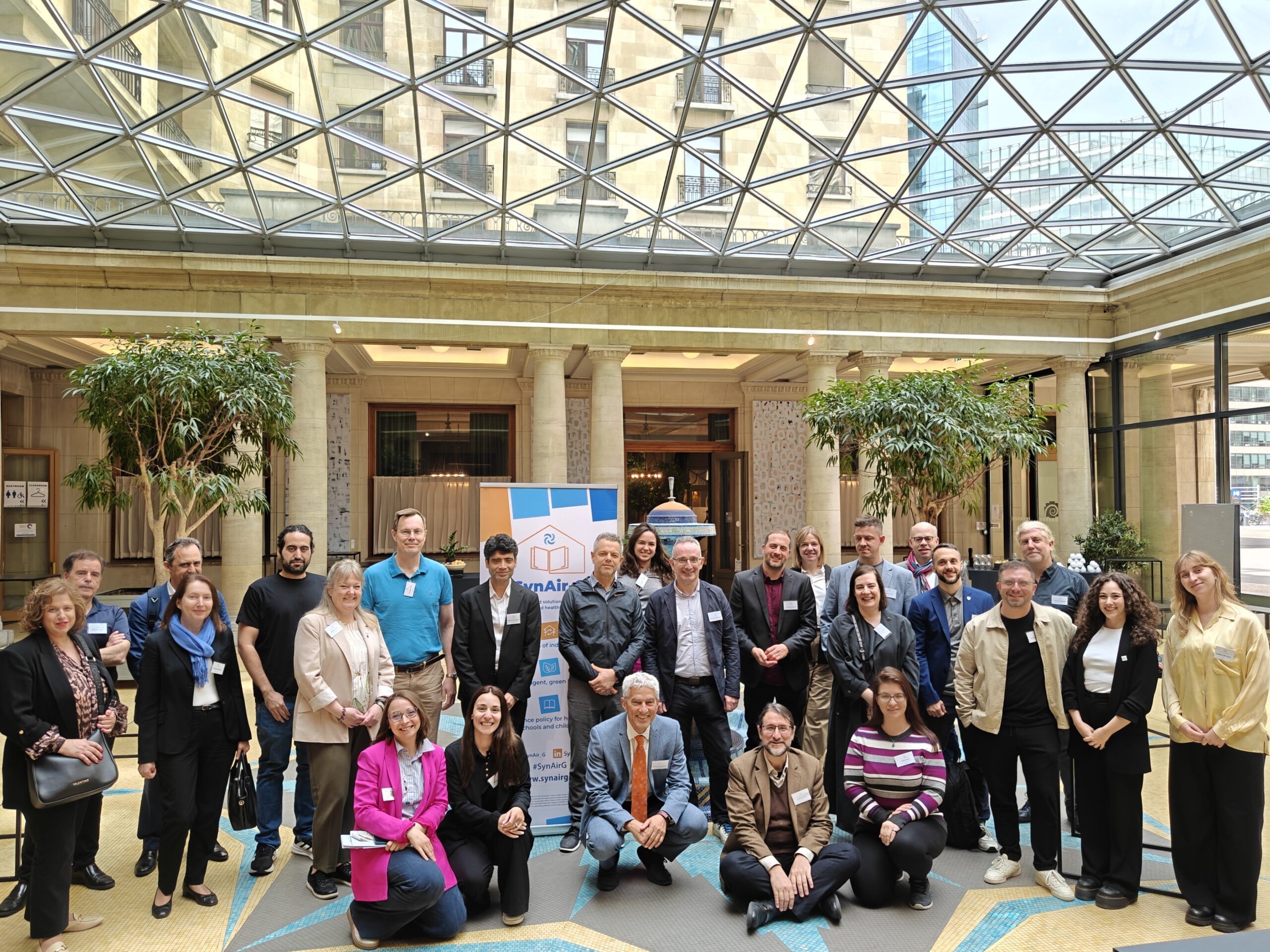
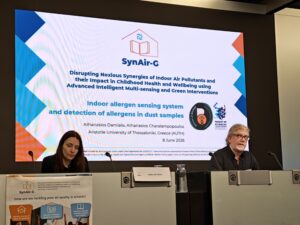
On 8 June 2026 in Brussels, SynAir-G hosted the workshop “Smart Synergies for Action: Connecting Data, Patients and Policy on Indoor Air Quality.” The workshop, the third in the “Improving Indoor Air Quality for Healthier Children” series, brought together scientists, patient advocates and policymakers around one shared goal: making indoor air quality data work for children’s health across Europe.

SynAir-G Coordinator Nikolaos Papadopoulos (National and Kapodistrian University of Athens) said, “The project is built on synergies between data, disciplines and people. This workshop was designed to share findings, explore how data can serve different policy needs and put patients and advocates at the heart of that conversation.”

From sensors to solutions: what the data tells us

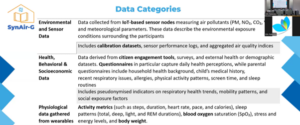
The findings from SynAir-G are significant. The project has deployed 98 sensors across 25 classrooms in Finland, France, Georgia, Greece and the UK, collecting environmental, socio-economic and health data to build one of the most comprehensive pictures of indoor air quality in European schools to date.

So what did we find out? Spyros Pandis (University of Patras) showed that pollutant concentrations indoors vary with activity. For example, an art class produces a very different air profile than a language lesson.

Athanasios Damialis (Aristotle University of Thessaloniki) added that aeroallergen exposure is higher than previously measured, even for children who spend most of their time inside. Outdoor exposure remains critically important: we are exposed to higher aeroallergen levels than previously thought, even when living and working predominantly indoors.

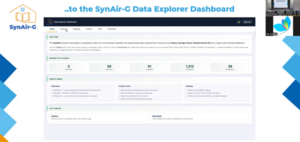
At the heart of the project is the SynAir-G Data Explorer Dashboard, presented by Pantelis Tzamalis (University of Patras). The dashboard connects environmental data directly to health outcomes in over 1,100 children, tracking asthma, allergies and atopic eczema every three months across five clinical centres.

Maria Kritikou (National and Kapodistrian University of Athens) added that the study goes beyond data collection. Green interventions to improve indoor air quality are already being tested in schools, with children actively involved in looking after living green walls. She also presented the SynAir-G app, “Save the World,” a dynamic epidemiological tool designed to enable the daily recording of children’s health status. While the app is intended for the general population and not exclusively for children with respiratory diseases, it can help identify children with respiratory conditions and allergies, providing valuable data to support early detection and public health monitoring.

Managing this volume and complexity of data remains challenging. Gerasimos Kouloumbis (INLECOM) explained how the data catalogue tracks everything from environmental sensors to health devices worn by children. Nikolas Kyriakou (Cyric) outlined how the data management flow ensures open access. The goal is clear: making this data available to the wider scientific community and beyond.

Putting patients and families at the centre

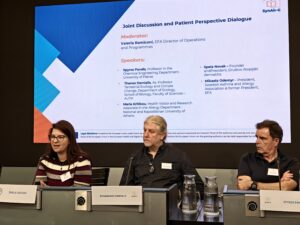
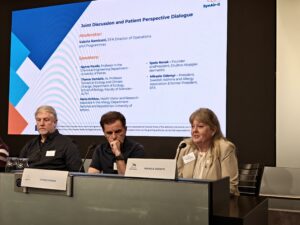
Data only matters if it reaches the people who need it. The patient panel, moderated by Valeria Ramiconi (EFA), revealed how indoor air impacts children’s health and lives of their carers.

Špela Novak, Founder and President of Društvo Atopijski dermatitis (Slovenia), spoke to the reality families face every day. “Small children cannot tell you the air feels wrong. 56% of schools in my country are near a main road. We need to connect the science to the daily reality of families and schools so that policymakers understand what is at stake.”

Mikaela Odemyr, President of the Swedish Asthma and Allergy Association, whose son has severe asthma and allergies, described years of adjusting temperatures, changing schools and piecing together answers that were never offered to her. “You are a mother, a patient advocate and a detective trying to understand what triggers the reactions.” Her message was clear: investment in healthier schools is an investment in the future, and patient organisations are essential to making sure that message reaches the people who can act on it.

The next step is ensuring data reaches patients, families and the people who can act on it.

Working together for healthier schools across Europe

Nikolaos Papadopoulos wrapped up the day on a note of shared commitment: “We need to work together for change and stay connected.”

Thank you to all speakers for a rich and productive day: Nikolaos Papadopoulos, Gerasimos Kouloumbis, Pantelis Tzamalis, Nikolas Kyriakou, Spyros Pandis, Thanos Damialis, Maria Kritikou, Špela Novak and Mikaela Odemyr, and to moderator Valeria Ramiconi. And a big thank you to our fellow IDEAL Cluster projects working towards healthier indoor environments for children: EDIAQI, INQUIRE, InChildHealth, TWINAIR, LEARN, KHEALTHinAIR.

SynAir-G will continue working towards healthier indoor environments for children across Europe.

Stay connected!  Follow Synair-G on Twitter and LinkedIn, and subscribe to the SynAir-G Newsletter to receive latest updates.
World Environment Day 2026: Climate Change, Indoor Air Quality, and Children’s Respiratory Health

Each year, on June 5th, the United Nations Environment Programme (UNEP) leads World Environment Day (WED), a global initiative dedicated to raising awareness on the world’s most pressing environmental challenges. On this day, millions of people from governments, businesses, civil society organisations, schools, and communities come together to advocate for urgent environmental action.

This year’s UNEP Campaign focuses on Climate change. Under the slogan “The signals are clear. What comes next is up to us. #NowForClimate”, the campaign highlights the climate solutions that are already being implemented around the world and calls for continued action to address a changing climate and build a more sustainable future.

The SynAir-G project proudly supports this year’s World Environment Day campaign. Climate change has significant implications for both indoor air quality and respiratory health, particularly among vulnerable populations such as children and people living with asthma and allergies.

Climate Change and Indoor Air Quality: An Overlooked Connection

Outdoor air pollution remains one of the major contributors to indoor air pollution. As climate change alters environmental conditions, outdoor concentrations of pollutants may increase, including ozone, fine particulate matter, and biological contaminants such as viruses, bacteria, and fungi. Climate-related events such as wildfires, droughts, and dust storms can further deteriorate air quality, with pollutants infiltrating indoor spaces where people spend most of their time.

Climate change affects not only outdoor environments but also the quality of the air we breathe indoors. Rising temperatures and increasing humidity do not only have direct impacts on human health; they also increase emissions of indoor pollutants from sources such as building materials, furnishings, paints, and cleaning products. Warmer and more humid conditions can also promote the growth of mould and other biological contaminants indoors.

In addition, many of the measures and behavioural changes adopted to mitigate or adapt to climate change can influence indoor air quality. Changes in building design, insulation, ventilation practices, and increased use of air conditioning may alter indoor pollutant concentrations, sometimes with unintended consequences on the air quality.

The Impact on Children’s Health

As people spend an increasing proportion of their lives indoors, the health implications of indoor air pollution become even more significant. Children are particularly vulnerable, spending much of their day in classrooms and other indoor learning environments.

Exposure to indoor air pollution during childhood has been associated with impaired lung growth and function, increased risk of lower respiratory tract infections, the development and worsening of asthma and allergies, and respiratory complications later in life.

Climate change further amplifies these risks. Longer and more intense pollen seasons, higher concentrations of fungal allergens, increased mould growth, and changing distributions of allergens all contribute to greater allergen exposure. These factors can increase the risk of developing allergy and allergic asthma and exacerbate symptoms in those already affected.

Addressing climate change is not only an environmental imperative but also a public health necessity, helping to safeguard indoor air quality and protect the respiratory health of children across Europe.

How SynAir-G Is Making a Difference

The SynAir-G project is helping to unravel the complex interactions between indoor air pollutants and their effects on human health, with a particular focus on children with asthma and allergies who spend much of their time indoors at school. Over the past four years, the project has achieved significant milestones in advancing our understanding of indoor air pollution, the factors that influence it such as climate change and its health impacts. As climate change continues to intensify, these advances are more important than ever.

Using innovative in vitro and in vivo models, advanced sensor technologies, and the “Save the World” gamified application, SynAir-G has generated valuable new insights into how indoor air pollutants interact and affect children’s respiratory health . Advancing research has for example deepened understanding of the biological mechanisms underlying airway responses to key environmental stressors, such as particulate matter (PM) and rhinovirus (RV), including their combined impact on vulnerable populations such as children with asthma.

The project is also developing sustainable and environmentally friendly interventions to improve indoor air quality. A major milestone is the SynAir-G Green Walls: smart indoor gardens that use natural plants as filtration systems to remove pollutants from the air and create healthier indoor environments.

Towards Healthier Indoor Spaces for Every Child

At its core, SynAir-G aims to safeguard and promote citizens’ health and well-being by preventing diseases, reducing inequalities, and promoting health. With the growing link between climate change, indoor air quality and respiratory health, SynAir-G is working #NowForClimate to strengthen knowledge on indoor air quality (IAQ), develop practical and sustainable interventions, and advocate for strong, inter-sectoral and integrated IAQ policies, in line with the One Health approach.

In February 2026, SynAir-G, together with its sister projects, published a second Joint Policy Brief on “When Children Breathe: the Impact of Indoor Air Quality on Children’s Health” under the IDEAL Cluster, underscoring the need for a European standard for indoor air quality, as well as increased awareness and education on its importance for health.

This year, following World Environment Day, SynAir-G is organising two major events in Brussels to raise awareness on the importance of healthier indoor environments:

The events will bring together policymakers, European Commission representatives, academics, clinicians, and researchers, fostering exchange and dialogue towards healthier indoor environments.

The knowledge and scientific evidence, sensor technologies, and innovative solutions developed through SynAir-G can be applied today, in a world in motion and shaped by climate change, to create healthier learning spaces for children across Europe and contribute to a future in which every child can learn, grow, and thrive in a healthy indoor environment.

Stay connected!  Follow Synair-G on Twitter and LinkedIn, and subscribe to the SynAir-G Newsletter to receive latest updates.
References

Milestone: The SynAir-G Data Dashboards

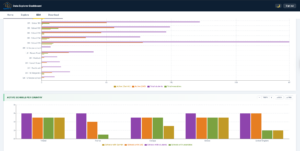
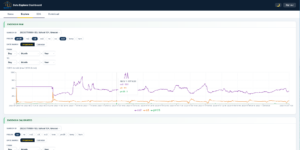
SynAir-G has reached an important milestone within WP6, the work package leading on the data and intelligence engine, with the launch of the internal Data Explorer Dashboard. The dashboard provides project partners and internal stakeholders with a comprehensive overview of the project’s data, including its status, format, and accessibility.

Launched earlier this month, the Data Explorer Dashboard integrates data from all SynAir-G data sources and transforms it into an easily readable format for both researchers and AI systems responsible for modelling activities. The dashboard operates in real time, ensuring users always have access to the latest multimodal data generated throughout the project.

The platform offers several functionalities, including:

  • Information on data availability and measurement levels, supported by analytics tools (Figure 1)
  • Complete mapping of devices and software, including their location and operational status
  • Insights into the temporal resolution of the data (Figure 2)
  • Identification of time overlaps between measurements from different data sources
  • Data navigation and download capabilities across any selected date range since the start of the project

Figure 1. Data Explorer Dashboard: Analytics and Data Exploration.

Figure 2. Data Explorer Dashboard: Sensorial data over time

In parallel, a second dashboard is currently under development. This platform will provide real-time insights into the concentration of environmental factors and pollutants in classrooms, further supporting SynAir-G’s work on indoor air quality and children’s health.

Stay connected!  Follow SynAir-G on Twitter and LinkedIn, and subscribe to the SynAir-G Newsletter to receive latest updates.
Coming up: IDEAL Cluster Summit in Brussels on June 9, 2026

As part of the IDEAL Cluster, SynAir-G invites its network to join the seven Horizon Europe research and innovation projects at the IDEAL Cluster Summit on 9 June 2026 in Brussels.

While outdoor air pollution is widely recognised as Europe’s leading environmental health threat, indoor air quality has received far less policy attention, despite the fact that people are often exposed to higher levels of pollutants indoors, with significant impacts on health and socioeconomic wellbeing. Although growing evidence links indoor air pollutants to a range of health effects, important knowledge gaps remain.

To help address these gaps, the IDEAL Cluster brings together seven Horizon Europe projects working to strengthen scientific evidence on indoor air quality and health, while driving action towards healthier indoor environments.

On Tuesday, 9 June 2026, the IDEAL Cluster Summit will convene the seven projects alongside policymakers, researchers, industry representatives, and public authorities to present:

  • Key scientific findings
  • Emerging evidence on health and socioeconomic impacts
  • Innovative technologies and interventions
  • Policy recommendations and standards
  • A shared roadmap towards cleaner indoor air across Europe and beyond

Interested in joining? Register via the link below!

For more information, please visit the IDEAL Cluster website.

Stay connected!  Follow SynAir-G on Twitter and LinkedIn, and subscribe to the SynAir-G Newsletter to receive latest updates.
Advancing Research on Pollutant Synergies and Airway Health

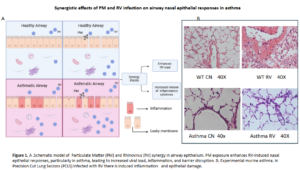
WP4, focused on Mechanisms & Test Systems to Evaluate Pollutant Synergies, is preparing upcoming in vivo studies to further investigate the impact of particulate matter (PM) and rhinovirus (RV) on the airways.

Barrier organs such as the respiratory tract are continuously exposed to environmental challenges. Both PM and RV are known to damage airway tissues and negatively affect human health. As the nasal epithelium is the first point of contact for environmental pollutants, the upcoming research by WP4 aims to better understand the effects of exposure to PM and RV by analysing the cellular and molecular responses in nasal epithelial cells from both healthy and asthmatic subjects using in vivo models.

The Detrimental Effects of Particulate Matter On Airway Health

PM is a complex mixture of airborne particles that poses a significant threat to respiratory health. Due to their small aerodynamic diameter, these particles can penetrate deep into the lungs and cross the mucosal barriers of the nasal epithelium, contributing to inflammation and tissue damage.

Rhinovirus Infection of Airway Cells

In contrast, rhinovirus infects the nasal epithelium, where it replicates and spreads to adjacent cells. This leads to epithelial damage and disruption of barrier integrity, accompanied by the release of pro-inflammatory cytokines, increased oxidative stress, and activation of antiviral signalling pathways.

Synergistic Effects of PM and RV in Individuals with Asthma

In individuals with asthma, epithelial cells are already altered, resulting in impaired barrier function and a heightened inflammatory state. This makes them more prone to exaggerated or dysregulated responses to viral infections. Environmental factors such as PM can further weaken epithelial integrity and alter host defence mechanisms, amplifying RV-induced effects. These synergistic effects of PM and RV contribute to increased disease severity and a higher risk of virus-induced exacerbations in people with asthma.

Next steps in Research

To further investigate these mechanisms, WP4 will conduct in vivo studies using an intranasal murine model. The research aims to characterise the physiological differences between asthmatic and control mice following exposure to PM and RV, with a particular focus on their combined synergistic effects.

This work will provide important insights into the damage induced by PM and RV in the airways of both healthy and asthmatic individuals and will support the development of more effective therapeutic interventions.

Stay connected!  Follow SynAir-G on Twitter and LinkedIn, and subscribe to the SynAir-G Newsletter to receive latest updates.
SynAir-G presents at K-HEALTHinAIR 3rd webinar

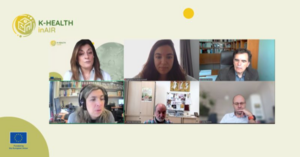
On 16 April 2026, SynAir-G participated in the webinar “Indoor Air Quality in Schools: From Pilot Experience to Policy Action”, organised by K-HEALTHinAIR.

The event brought together researchers and experts from across Europe to examine how indoor air quality (IAQ) affects health, wellbeing, and learning environments in schools. The webinar showcased preliminary clinical findings from pilot studies conducted in Austria, Poland, and Greece as part of the K-HEALTHinAIR and SynAir-G projects, offering a comprehensive overview of indoor air quality challenges across different European contexts.

Monitoring Air Quality in Classrooms

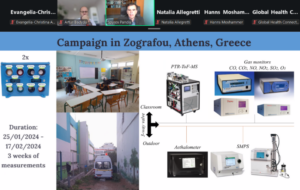
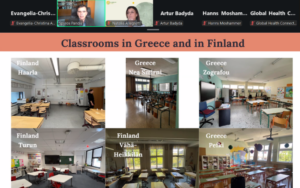
Professor Spyros Pandis (University of Patras, Department of Chemical Engineering) presented the methodologies used to monitor pollutants both inside and outside classrooms. Using ENSENSIA low-cost sensors alongside the Mobilab, researchers were able to capture detailed air quality data across different school environments.


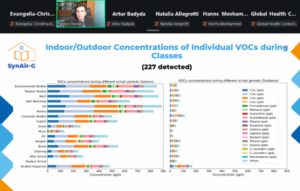
His analysis highlighted variations in volatile organic compound (VOC) concentrations between classrooms, with subjects such as Arts and Mathematics showing the highest levels, an insight that underlines how classroom activities can influence air quality.

Health Impact on Children

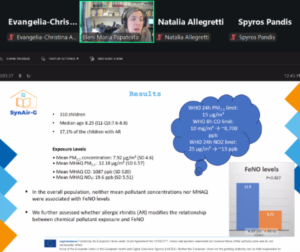
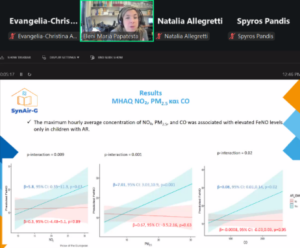
Eleni Maria Papatesta, Pediatrician and Research Fellow at the Allergology and Clinical Immunology Unit of the University of Athens, presented findings on the relationship between indoor air pollution and FeNO levels in children.

Her research demonstrated that exposure to elevated levels of PM2.5, NO₂, and CO is associated with increased FeNO levels in children with allergic rhinitis. These findings indicate a higher susceptibility to airway inflammation, reinforcing the need for targeted interventions to improve air quality in school environments.


Policy Insights from the IDEAL Cluster

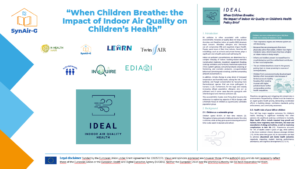
Evangelia-Christina Andreadi, Project Manager at the European Federation of Allergy and Airways Diseases Patients’ Associations (EFA), presented the second IDEAL Cluster Policy Brief titled “When Children Breathe: The Impact of Indoor Air Quality on Children’s Health.”

Drawing on data from more than 8,000 participants—primarily children aged 3 months to 18 years—she highlighted key policy gaps and challenges:

  • There is no unified European standard covering all aspects of indoor air quality, from monitoring practices to health impact thresholds.
  • Awareness of indoor air quality remains limited, with many people overlooking simple but effective measures such as regular ventilation.


Evidence from Austrian and Polish Pilot Studies

Findings from national pilot studies further illustrated the real-world implications of indoor air quality in schools. Hanns Moshammer, Senior Researcher at the Department for Environmental Health at the Medical University of Vienna, presented results from the Austrian pilot, highlighting key observations on classroom air quality.

Artur Badyda, Professor at the Warsaw University of Technology, shared findings from the Polish pilot study, providing additional evidence on students’ exposure to air pollutants in school environments. Together, these contributions reinforced the need for coordinated, evidence-based policies across Europe.

More information

SynAir-G extends its thanks to the K-HEALTHinAIR project for organising this important event and for connecting experts and sharing findings from real classroom environments in Europe.

You can find the agenda and the speakers list of the webinar here: Indoor Air Quality in Schools: From Pilot Experience to Policy Action – KHealthInAir

Watch the recording here: Indoor Air Quality in Schools: From Pilot Experience to Policy Action

Stay connected!  Follow SynAir-G on Twitter and LinkedIn, and subscribe to the SynAir-G Newsletter to receive latest updates.
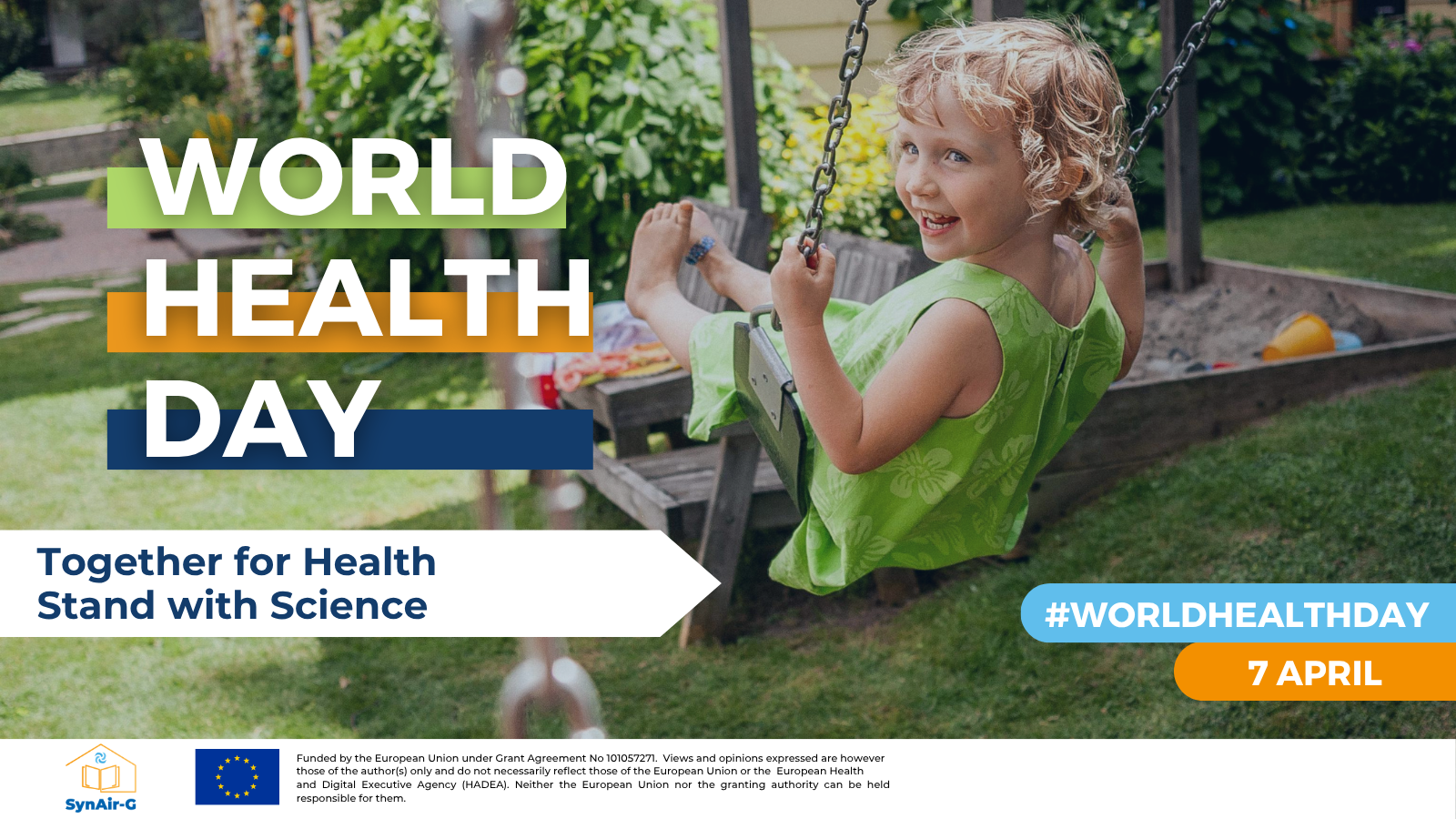
World Health Day 2026: “Together for health. Stand with science”


On 7 April 2026, the World Health Organization (WHO) marks World Health Day by launching a year-long campaign dedicated to advancing global health. This year’s theme “Together for Health: Stand with Science” highlights the vital role of scientific innovation in improving the health of both people and the planet. The campaign celebrates achievements in health science while highlighting the importance of multidisciplinary collaboration to translate knowledge into meaningful action, emphasizing the One Health approach.

The SynAir-G project is proud to support World Health Day and this global campaign. At its core, SynAir-G is committed to safeguarding and promoting citizens’ health and well-being starting with research and science. By generating new insights on Indoor Air Quality (IAQ) in schools, raising awareness on the impact of indoor air pollution on children’s health and learning and developing targeted interventions and tools, SynAir-G empowers to act on evidence and drive meaningful change using a One Health approach. In doing so, the project helps reduce disease burden and address inequalities linked to air quality, improving health and preventing disease across Europe.

Specifically, SynAir-G aims to uncover and quantify the synergistic interactions between indoor air pollutants in classrooms. This is achieved through the development of innovative and improved monitoring system, the low-cost sensor boxes that feature the advanced ENSENSIA sensor system and continuously track air pollutants. In parallel, the project is designing environmentally friendly interventions to enhance indoor air quality in schools. By sharing these findings with key stakeholders, including healthcare professionals, educators, and policymakers, SynAir-G actively stands with science and supports the translation of evidence into concrete, impactful solutions to improve the air our children breath daily.

In the fourth year, SynAir-G has delivered significant scientific achievements across its activities aimed at improving IAQ. These range from advances in data collection and management strategies to valuable new insights into how indoor air pollutants affect children’s health, drawing on in vitro and in vivo models, innovative sensor technologies and the project’s “Save The World” gamified app. Considerable progress has been made in sustainable interventions as well, such as the development of the SynAir-G Green Walls.

SynAir-G’s scientific achievements have been widely recognized at numerous conferences and events across Europe. As an active member of the IDEAL Cluster, SynAir-G has participated in numerous events organized by fellow Cluster projects and contributed to the development of two joint policy briefs, helping to amplify the Cluster’s collective voice and advocate for meaningful action on IAQ.

Looking ahead, SynAir-G will continue to build scientific knowledge on indoor air quality in schools and its impact on children’s health. The project remains committed to disseminating this knowledge, championing science, developing evidence-based solutions and fostering multidisciplinary collaboration to ensure that research is effectively translated into action.

Stay connected!  Follow SynAir-G on Twitter and LinkedIn, and subscribe to the SynAir-G Newsletter to receive latest updates.
Showcasing SynAir-G Results at the REG Summit 2026

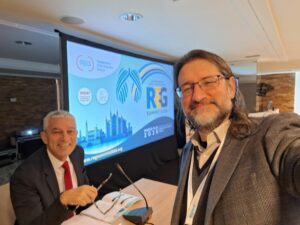
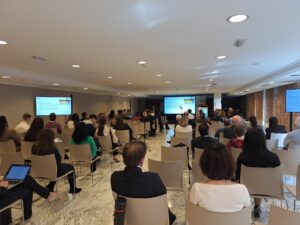
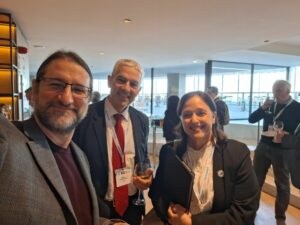
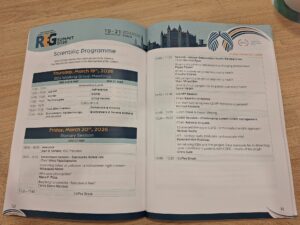
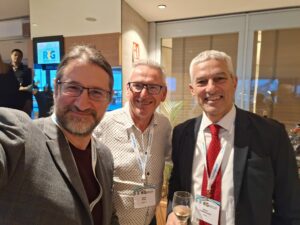
During the 2026 Respiratory Effectiveness Group (REG) summit, held from 19-21 March, EPFL’s Athanasios Nenes presented key results from SynAir-G’s work on the indoor air quality monitoring in schools.

The REG Summit brings together a diverse, international community of experts in respiratory research and care, spanning clinical medicine, environmental science, and public health. This interdisciplinary setting provided an excellent platform to showcase SynAir-G’s latest findings on indoor air pollution in schools.


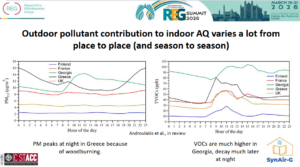
In his presentation, Athanasios Nenes introduced the FORTH ENSENSIA multi-sensor low-cost air quality monitoring system, which delivers high-quality data on pollution sources and variability. He also shared results from school monitoring campaigns, highlighting the varying composition of indoor air pollution in classrooms over time, the contribution of outdoor pollution to the indoor air quality (IAQ) and how this varies across countries and seasons. Lastly, EPLF’s unique LAPI-BREATH facility was spotlighted, which can greatly support testing and optimizing SynAir-G’s real-time virus sensors. Read more about the role of LAPI-BREATH within the SynAir-G project here.

The summit offered a valuable opportunity for SynAir-G to reconnect with the research community, gain recognition for its work, and contribute to the growing body of knowledge on indoor air quality and its impact on children’s health. SynAir-G remains committed to advancing the understanding of indoor air quality and developing practical, sustainable solutions to improve the indoor air for children.


Stay connected!  Follow SynAir-G on Twitter and LinkedIn, and subscribe to the SynAir-G Newsletter to receive latest updates. 
Strong Progress and Scientific Recognition for SynAir-G

Exciting updates from Working Package (WP) 8 on Project management & Networking, as it continues to lead the overall coordination, management, and strategic oversight of the SynAir-G project.

Strong Progress Confirmed

Despite the complexity inherent to a multidisciplinary and multi-partner initiative, the project achieved a positive outcome at the recent review meeting, confirming that SynAir-G is progressing in line with its objectives and delivering meaningful scientific and societal impact.

This encouraging evaluation reflects the strong collaboration among partners, the high quality of the work produced, and the consortium’s shared commitment to advancing research on indoor air quality and children’s health.

Strengthened Scientific Visibility

Alongside management activities, the WP supports active engagement in scientific dissemination, further enhancing the visibility and impact of the project at national and international levels.

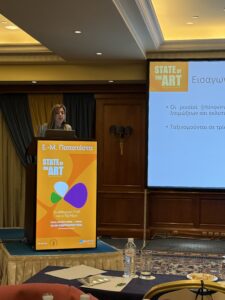
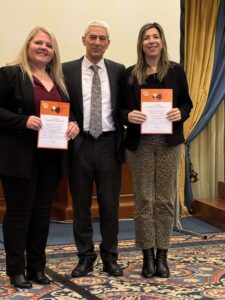
In this context, the National and Kapodistrian University of Athens (NKUA) participated in the Annual Panhellenic Conference “Allergic Child – State of the Art.” During the conference, Milena Papatesta presented the study:

“Impact of School Indoor Air Pollution on FeNO Levels in Children: The Modifying Role of Allergic Rhinitis”

The study attracted significant scientific interest and received an award, underscoring its quality and its contribution to understanding how environmental exposures influence airway inflammation in children.

Moving Forward

These milestones highlight the scientific excellence and real-world relevance of SynAir-G. Through effective coordination, active dissemination, and strong research outputs, WP8 ensures that the project not only advances knowledge but also contributes to public health awareness and therefore to healthier indoor environments for children.

As the project progresses, the consortium remains committed to strengthening collaboration, overcoming challenges, and maximizing the long-term impact of SynAir-G.

Stay connected!  Follow SynAir-G on Twitter and LinkedIn, and subscribe to the SynAir-G Newsletter to receive latest updates.