
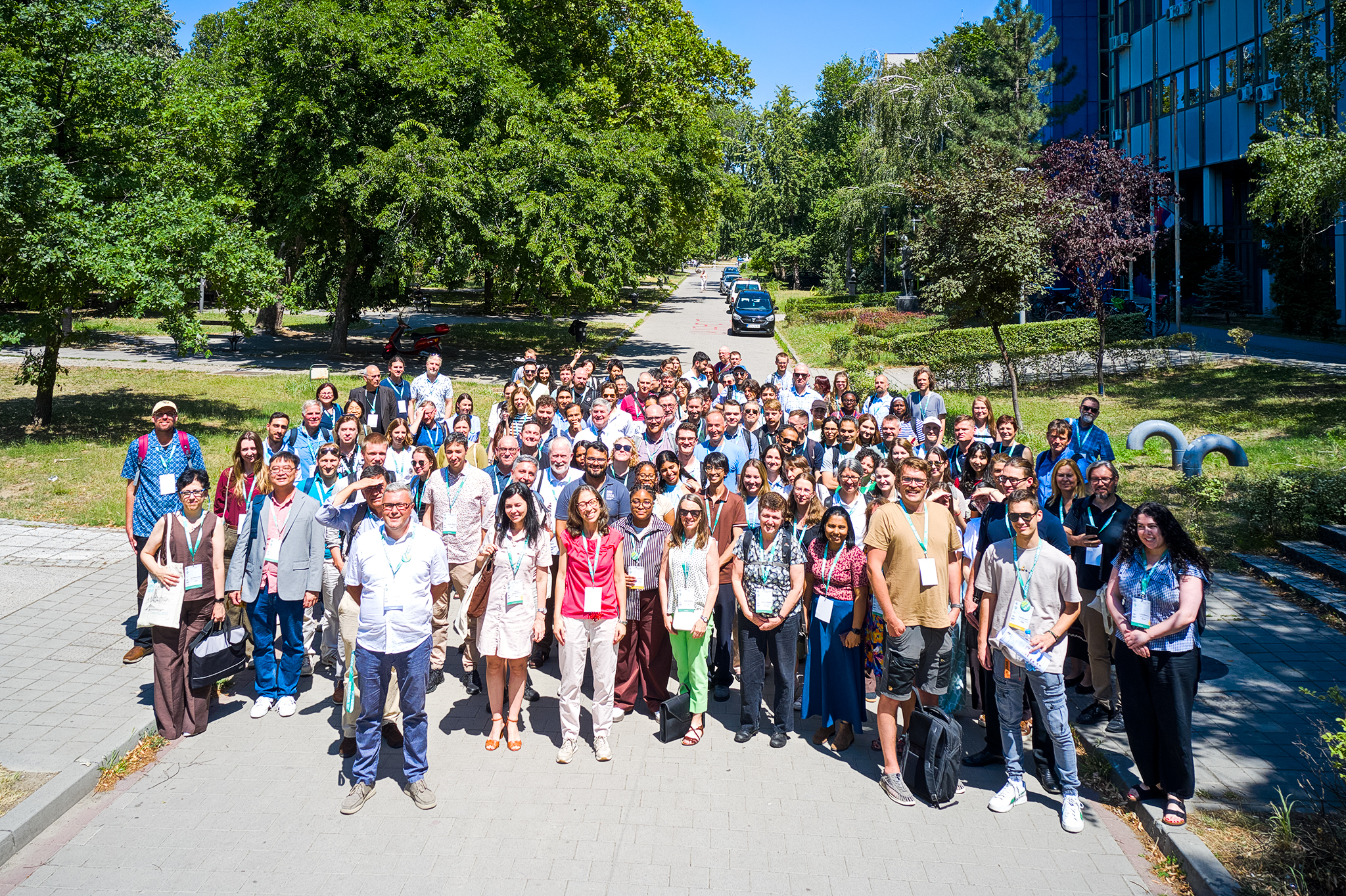
SynAir-G proudly presented its latest results on bioaerosol monitoring at the 2026 International Congress of Biometeorology, held at the University of Novi Sad, Faculty of Sciences, Serbia, from 13–16 July 2026.
The conference brought together scientists from 46 countries across meteorology, climatology, biology, ecology, medicine and geography to explore how atmospheric conditions affect human health, ecosystems, agriculture and the environment. It provided an excellent opportunity to exchange the latest research and emerging perspectives, while fostering international collaboration and networking around climate-related challenges.
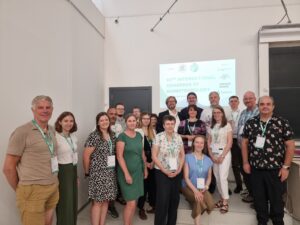
SynAir-G partners from AUTh presented their research on allergen sensing systems in a presentation entitled “Bioaerosol monitoring in indoor and outdoor environments: towards affordable automatic near-real-time sensing systems.”
The research concerns a pilot study conducted in 2024–2025, which evaluated three automatic allergen sensors: a commercially available, affordable and compact near-real-time sensor (APS-400, Pollensense LLC) alongside two conventional “gold-standard” devices. The study assessed the performance, comparability and precision of the sensors when monitoring fresh pollen and fungal spores across indoor and outdoor environments, covering 24 plant and six cultured fungal species.
The affordable, compact sensor performed well for some taxa and satisfactorily for others. Further development and collaboration with the manufacturer is needed to improve its accuracy and precision for plant and fungal taxa where performance was less reliable.
The presentation generated interest among several scientists with plans to work on pollen and fungal spore monitoring in different environments, both from environmental and human health perspectives, highlighting the potential for further research to improve identification algorithms and better understand the links between bioaerosol exposure and clinical symptoms.
Stay in touch with SynAir-G activities? Follow us on Twitter and LinkedIn, and subscribe to the SynAir-G Newsletter